ALL ABOUT FLEX PCB
-
M4 Mounting hole dimensions
Posted by
–
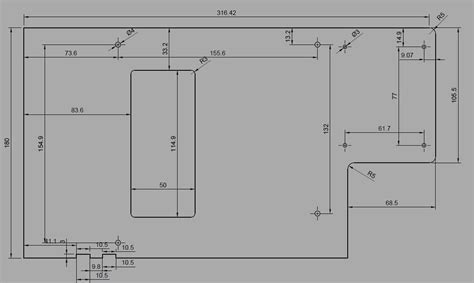
Read more: M4 Mounting hole dimensionsIntroduction to M4 Mounting Holes M4 mounting holes are commonly used in various industries for securing components, assemblies, and structures. These holes are designed to accommodate M4 screws, which have a nominal diameter of 4 mm. Understanding the dimensions and specifications of M4 mounting holes is crucial for engineers, designers, and technicians working on projects…
-
WUS and Schweizer partner up for HF segment
Posted by
–
 Read more: WUS and Schweizer partner up for HF segment
Introduction WUS, a leading global provider of wireless communication solutions, and Schweizer, a renowned manufacturer of high-frequency (HF) components, have announced a strategic partnership to collaborate on the development and production of advanced HF products. This partnership aims to leverage the strengths of both companies to deliver cutting-edge solutions for the rapidly growing HF market…
-
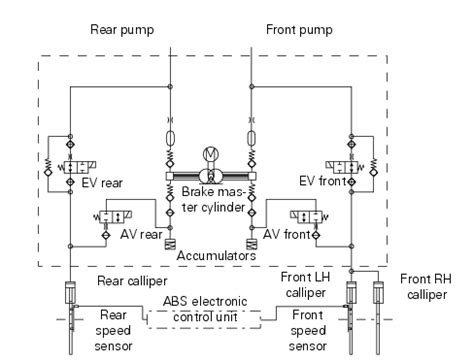
Anti lock braking system schematics
Posted by
–
 Read more: Anti lock braking system schematics
Introduction to ABS schematics Anti-lock Braking Systems (ABS) are essential safety features in modern vehicles. They prevent the wheels from locking up during sudden or hard braking, allowing the driver to maintain steering control and reduce stopping distances. Understanding ABS schematics is crucial for automotive engineers, technicians, and enthusiasts to effectively design, maintain, and troubleshoot…
-
 Read more: How to Buy PCB Boards Meeting Demands and Cost-Effectively
Introduction to PCB Purchasing Printed Circuit Boards (PCBs) are essential components in modern electronic devices. They provide the foundation for electrical connections and support the mounted components. When it comes to purchasing PCBs, there are several factors to consider to ensure that you get boards that meet your demands while being cost-effective. In this article,…
-
 Read more: Glass Printed Circuit Boards – New Product Option for PCB Designers
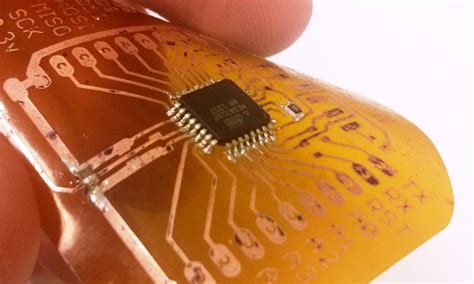
Introduction to Glass PCBs Glass Printed Circuit Boards (PCBs) are an emerging technology that offers a new option for PCB Designers looking for high-performance, reliable, and cost-effective solutions. Glass PCBs are made using a glass substrate instead of the traditional FR-4 material, which provides several advantages over conventional PCBs. Advantages of Glass PCBs High thermal…
-
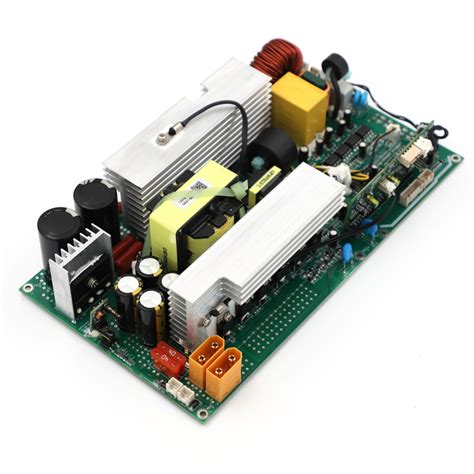 Read more: Free IC Programming for PCBA that You Don’t Want to Miss
What is FICP-PCBA? FICP-PCBA stands for Free IC programming for Printed Circuit Board Assembly. It refers to the process of programming integrated circuits (ICs) on a printed circuit board (PCB) without additional cost during the PCB Assembly process. FICP-PCBA has become increasingly popular in the electronics manufacturing industry as it offers several benefits: Reduced manufacturing…
-
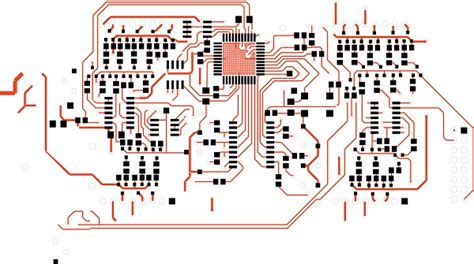 Read more: What is a Printed Circuit Board (PCB) 2024 Comprehensive Guide
Introduction to Printed Circuit Boards (PCBs) A Printed Circuit Board (PCB) is a fundamental component in modern electronics. It serves as the backbone of almost all electronic devices, from simple gadgets like calculators to complex systems such as computers and smartphones. PCBs provide a platform for electrical components to be mounted and interconnected, enabling the…
-
 Read more: Analysis and Control of crosstalk in high speed PCB design
Introduction to Crosstalk in High-Speed PCB Design In the realm of high-speed printed circuit board (PCB) design, crosstalk has emerged as a critical concern for engineers and designers. As signal speeds and frequencies continue to increase, the phenomenon of crosstalk becomes more pronounced and can lead to significant signal integrity issues if not properly addressed.…
-
QFN and QFP what service to use HASL or ENIG
Posted by
–
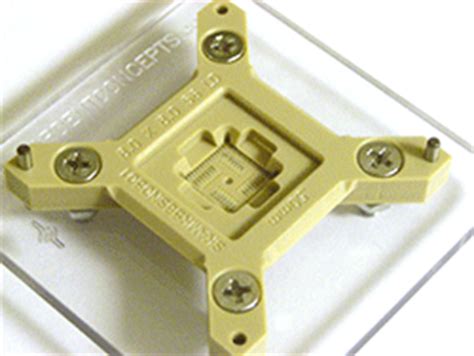 Read more: QFN and QFP what service to use HASL or ENIG
Introduction to QFN and QFP Packages Quad Flat No-lead (QFN) and Quad Flat Package (QFP) are two popular surface-mount package types used in electronics manufacturing. These packages offer several advantages, such as reduced package size, improved thermal and electrical performance, and lower manufacturing costs compared to traditional through-hole packages. What is a QFN Package? A…
-
How to Assemble and Check SMD Components
Posted by
–
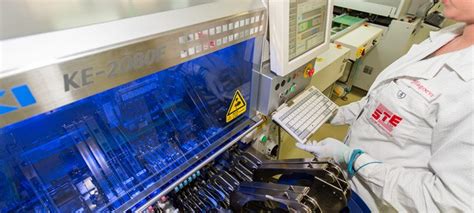 Read more: How to Assemble and Check SMD Components
What are SMD Components? SMD components are small electronic components designed to be mounted directly onto the surface of a printed circuit board (PCB). They are typically smaller than through-hole components and have leads that are either flush with the component body or have small tabs or balls for soldering. SMDs come in various sizes,…