ALL ABOUT FLEX PCB
-
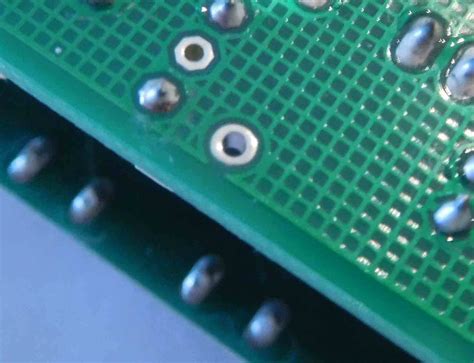
How to Remove Solder from a Circuit Board Hole
Posted by
–
Read more: How to Remove Solder from a Circuit Board HoleIntroduction to Desoldering Desoldering is the process of removing solder and components from a printed circuit board (PCB). It is an essential skill for anyone involved in electronics repair, modification, or prototyping. One of the most common desoldering tasks is removing solder from a circuit board hole, also known as desoldering a hole. Why Desolder…
-
Holiday Notice of International Workers Day
Posted by
–
 Read more: Holiday Notice of International Workers Day
History of International Workers’ Day The origins of International Workers’ Day can be traced back to the late 19th century in the United States. During this time, workers were fighting for better working conditions, fair wages, and an eight-hour workday. On May 1, 1886, a general strike was called in Chicago to demand these rights,…
-
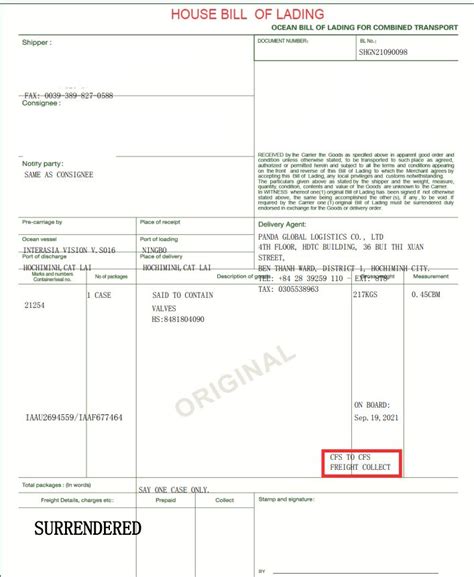
How to use my freight collect account
Posted by
–
 Read more: How to use my freight collect account
What is a Freight Collect Account? A freight collect account, also known as a “bill to” or “third party billing” account, is an arrangement where the shipper’s transportation charges are billed directly to a separate account with the carrier instead of being paid upfront by the shipper. The account holder, which may be the shipper,…
-
Chinese Spring Festival 2019 Schedule
Posted by
–
 Read more: Chinese Spring Festival 2019 Schedule
Spring Festival Schedule Overview The Spring Festival is a 15-day celebration that starts on the first day of the Lunar New Year and ends with the Lantern Festival on the 15th day. Here is an overview of the key dates and events during the 2019 Spring Festival: Date Event February 4th New Year’s Eve February…
-
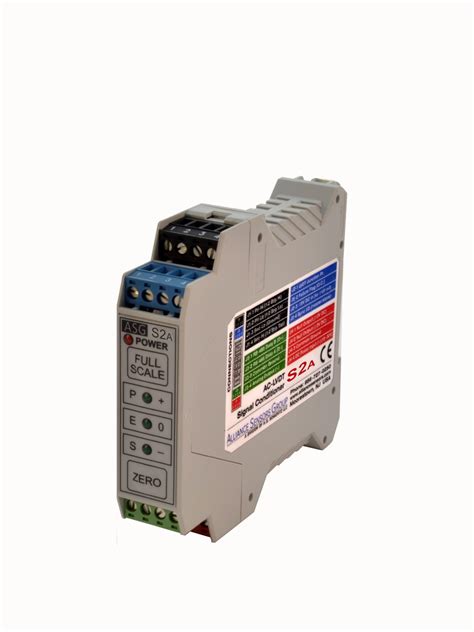 Read more: PCB Piezotronics offers signal conditioner for DC sensors
PCB Signal Conditioner Provides Versatile Solution for DC Sensor Measurements PCB Piezotronics, a leading manufacturer of sensors and instrumentation, has introduced a new signal conditioner designed specifically for use with DC-output sensors. The PCB Signal Conditioner Model 682A05 provides a versatile solution for amplifying and conditioning the output of various types of DC sensors, including…
-
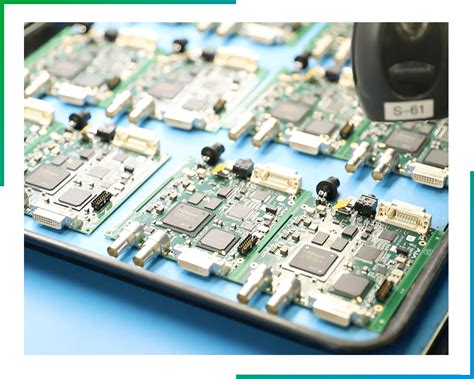 Read more: 8 PCB Assembly Testings – An Overview of PCBA Test
In-Circuit Testing (ICT) In-Circuit Testing (ICT) is a powerful testing method used to verify the functionality and connectivity of individual components on a PCBA. ICT is performed using specialized equipment that probes the board’s Boundary Scan Testing Boundary Scan Testing, also known as JTAG (Joint Test Action Group) testing, is a method used to test…
-
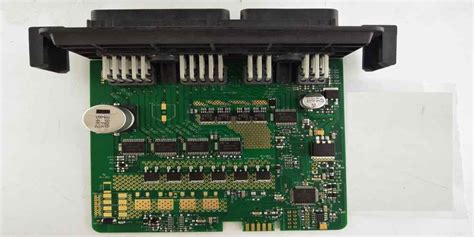 Read more: Automotive Printed Circuit Boards – 2024 Update Newest
Introduction to Automotive PCBs Automotive Printed Circuit Boards (PCBs) are an essential component in modern vehicles, enabling the integration of sophisticated electronic systems that enhance safety, performance, and user experience. As the automotive industry continues to evolve, with a growing emphasis on electric vehicles (EVs), autonomous driving, and connected car technologies, the demand for high-quality,…
-
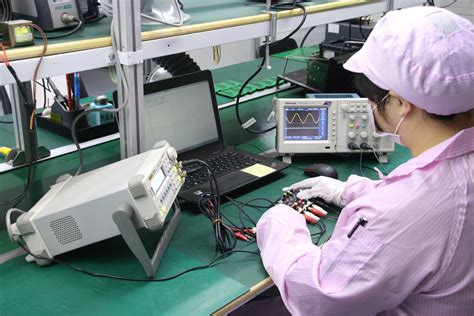 Read more: Functional Testing of PCB Assembly and PCBA FCT Costs
What is PCB Assembly Testing? PCB assembly testing, also known as PCBA testing or printed circuit board assembly testing, is the process of validating that a manufactured PCB functions as intended according to its design specifications. The goal is to identify any defects or issues with the assembLED PCB before it is integrated into the…
-
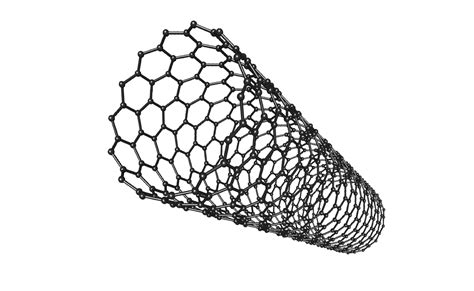 Read more: Carbon Nanotube Material Used in PCB—New Technology
Introduction to Carbon Nanotube PCBs Carbon nanotubes (CNTs) are an advanced material that is finding increasing use in the manufacture of printed circuit boards (PCBs). CNTs consist of sheets of graphene rolled into nanoscale tubes. They possess a number of remarkable properties, including: Extremely high tensile strength (up to 100 times greater than steel) Excellent…
-
 Read more: SMD LED vs COB LED vs DOB LED – 3 Options for LED PCBs
What are SMD LEDs? SMD LEDs are the most common type of LED used in PCB Assembly. They are small, discrete components that are mounted directly onto the surface of the PCB. SMD LEDs come in various sizes, with the most common being 0402, 0603, 0805, and 1206. The numbers refer to the dimensions of…