ALL ABOUT FLEX PCB
-
The Control of Light and Moisture In PCB Factory
Posted by
–
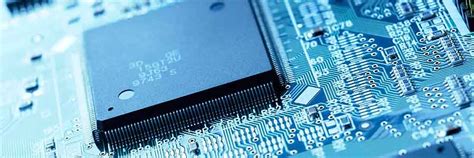
Read more: The Control of Light and Moisture In PCB FactoryIntroduction to PCB Environmental Control Printed Circuit Boards (PCBs) are essential components in modern electronics. The manufacturing process of PCBs requires precise control over various environmental factors to ensure high quality and reliability. Two critical factors that significantly impact PCB production are light and moisture. In this article, we will explore the importance of controlling…
-
Holiday Notice of The Dragon Boat Festival
Posted by
–
 Read more: Holiday Notice of The Dragon Boat Festival
History of the Dragon Boat Festival The Dragon Boat Festival has a rich history that dates back over 2,000 years. The most well-known legend associated with the festival is that of Qu Yuan, a patriotic poet who lived during the Warring States period (475-221 BC). Qu Yuan was a minister in the state of Chu…
-
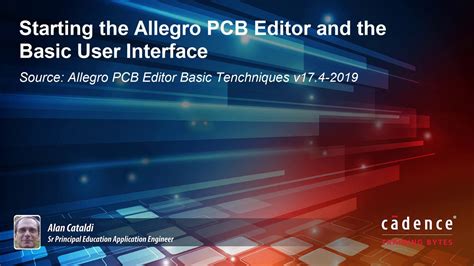 Read more: New Cadence Allegro PCB design next generation productivity platform change
Introduction to Allegro PCB Cadence Allegro PCB Designer is a powerful and comprehensive PCB design solution that enables engineers to create complex, high-quality PCB layouts with ease. With its advanced features and intuitive interface, Allegro PCB Designer streamlines the PCB design process, from schematic capture to final layout and manufacturing. Key Features of Allegro PCB…
-
The Disposal of Chemicals From PCB Etching
Posted by
–
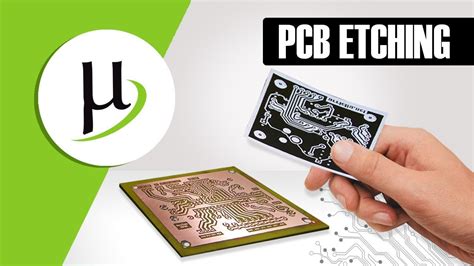 Read more: The Disposal of Chemicals From PCB Etching
What is PCB Etching and What Chemicals Are Used? Printed circuit board (PCB) etching is the process of removing unwanted copper from a PCB to create the desired electrical connections. The most common method of PCB etching uses corrosive chemicals to dissolve away the unneeded copper, leaving behind the circuit pattern. The main chemicals used…
-
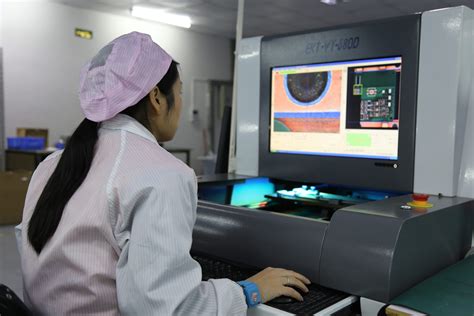 Read more: Steps In PCB Fabrication Process PCB Manufacturing technique
Introduction to PCB Fabrication Printed Circuit Board (PCB) fabrication is a multi-step process that involves creating a functional circuit board from a design layout. The PCB fabrication process has evolved over the years with advancements in technology, materials, and manufacturing techniques. In this article, we will explore the various steps involved in PCB fabrication and…
-
5 tips for PCB schematic file management
Posted by
–
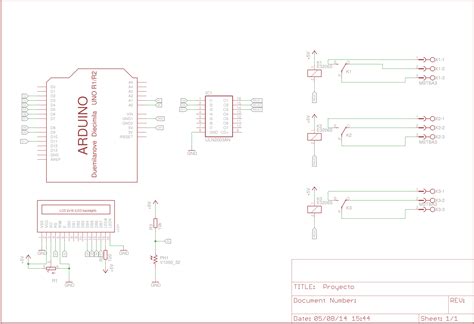 Read more: 5 tips for PCB schematic file management
Tip 1: Use a Consistent Naming Convention Establishing a consistent naming convention for your PCB Schematic files is crucial for easy identification and organization. A well-defined naming convention should include relevant information about the project, version, and date. Here’s an example of a naming convention template: ProjectName_SchematicType_VersionNumber_YYYYMMDD For instance, if you’re working on a power…
-
 Read more: If I forget my login email and password what can I do
Understanding the Importance of Login Credentials Your login email and password are the keys to your online accounts. They serve as a unique identifier and a security measure to ensure that only you can access your personal information and data. When you create an account on any platform, you are required to provide an email…
-
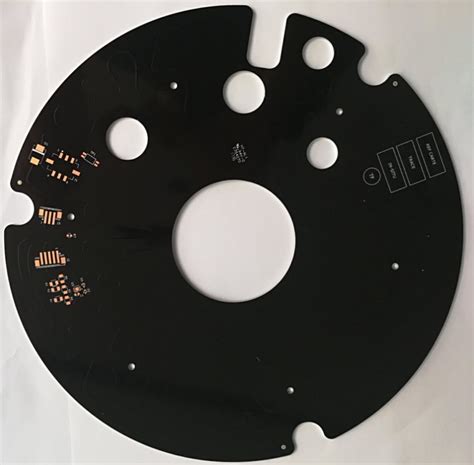 Read more: What is a Flexible Aluminum PCB? It Is Aluminum Based NOT FPC
Introduction to Aluminum PCB An Aluminum PCB, also known as a metal core PCB or a thermal management PCB, is a type of printed circuit board that uses aluminum as the base material instead of the traditional FR-4 substrate. The aluminum base provides excellent thermal conductivity, allowing for efficient heat dissipation from electronic components. This…
-
2024 Flexible Printed Circuit Board Assembly
Posted by
–
 Read more: 2024 Flexible Printed Circuit Board Assembly
Introduction to Flexible Printed Circuit Board Assembly (FPCBA) Flexible Printed Circuit Board Assembly (FPCBA) is a cutting-edge technology that has revolutionized the electronics industry. FPCBAs offer numerous advantages over traditional rigid PCBs, including increased flexibility, reduced weight and size, and improved reliability. As we look ahead to 2024, it’s clear that FPCBA will continue to…
-
 Read more: Reference Designators for Components in BOM but Not Mounted on PCB
Understanding Unmounted Components and Their Importance in PCB Design When designing a printed circuit board (PCB), engineers often include components in the bill of materials (BOM) that are not physically mounted on the board. These unmounted components, also known as “off-board components” or “virtual components,” serve various purposes and play a crucial role in the…