
ALL ABOUT FLEX PCB
-
Read more: Buy Electronic Components Online China – No MOQ with BOM
What is a Bill of Materials (BOM)? A bill of materials, commonly referred to as a BOM, is a comprehensive list of all the raw materials, sub-assemblies, intermediate assemblies, sub-components, parts, and quantities of each needed to manufacture a product. It serves as a centralized source of information that helps […]
-
 Read more: Carbon Nanotube Material Used in PCB—New Technology
Introduction to Carbon Nanotube PCBs Carbon nanotubes (CNTs) are an advanced material that is finding increasing use in the manufacture of printed circuit boards (PCBs). CNTs consist of sheets of graphene rolled into nanoscale tubes. They possess a number of remarkable properties, including: Extremely high tensile strength (up to 100 […]
-
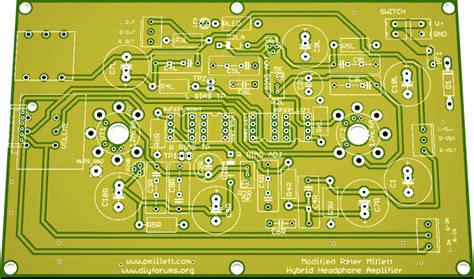 Read more: SMD LED vs COB LED vs DOB LED – 3 Options for LED PCBs
What are SMD LEDs? SMD LEDs are the most common type of LED used in PCB Assembly. They are small, discrete components that are mounted directly onto the surface of the PCB. SMD LEDs come in various sizes, with the most common being 0402, 0603, 0805, and 1206. The numbers […]
-
 Read more: How to Buy PCB Boards Meeting Demands and Cost-Effectively
Introduction to PCB Purchasing Printed Circuit Boards (PCBs) are essential components in modern electronic devices. They provide the foundation for electrical connections and support the mounted components. When it comes to purchasing PCBs, there are several factors to consider to ensure that you get boards that meet your demands while […]
-
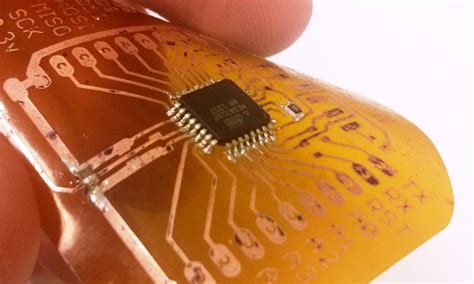 Read more: Glass Printed Circuit Boards – New Product Option for PCB Designers
Introduction to Glass PCBs Glass Printed Circuit Boards (PCBs) are an emerging technology that offers a new option for PCB Designers looking for high-performance, reliable, and cost-effective solutions. Glass PCBs are made using a glass substrate instead of the traditional FR-4 material, which provides several advantages over conventional PCBs. Advantages […]
-
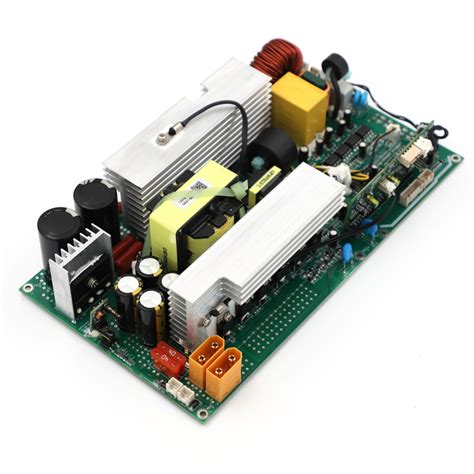 Read more: Free IC Programming for PCBA that You Don’t Want to Miss
What is FICP-PCBA? FICP-PCBA stands for Free IC programming for Printed Circuit Board Assembly. It refers to the process of programming integrated circuits (ICs) on a printed circuit board (PCB) without additional cost during the PCB Assembly process. FICP-PCBA has become increasingly popular in the electronics manufacturing industry as it […]
-
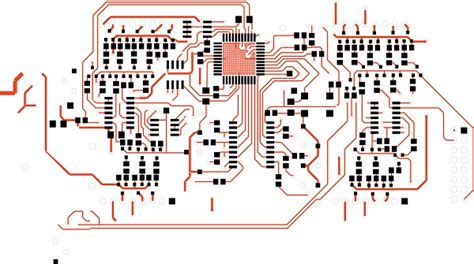 Read more: What is a Printed Circuit Board (PCB) 2024 Comprehensive Guide
Introduction to Printed Circuit Boards (PCBs) A Printed Circuit Board (PCB) is a fundamental component in modern electronics. It serves as the backbone of almost all electronic devices, from simple gadgets like calculators to complex systems such as computers and smartphones. PCBs provide a platform for electrical components to be […]
-
How to Assemble and Check SMD Components
Posted by
–
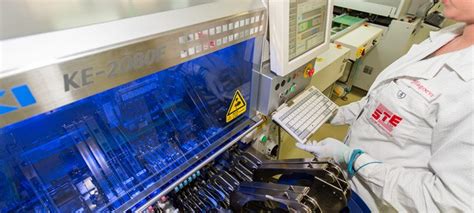 Read more: How to Assemble and Check SMD Components
What are SMD Components? SMD components are small electronic components designed to be mounted directly onto the surface of a printed circuit board (PCB). They are typically smaller than through-hole components and have leads that are either flush with the component body or have small tabs or balls for soldering. […]
-
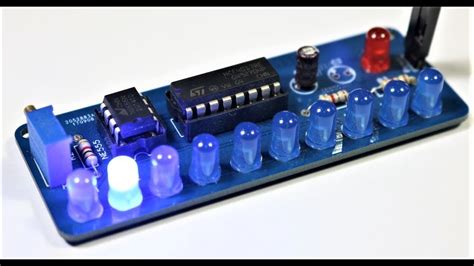 Read more: 6 Types of LED PCB Boards and Comprehensive Introduction
What is an LED PCB Board? An LED PCB (printed circuit board) is a specialized type of circuit board designed to power and control LEDs (light-emitting diodes). LED PCBs provide the electrical connections and heat dissipation necessary for LEDs to function optimally in various lighting applications. LEDs offer many advantages […]
-
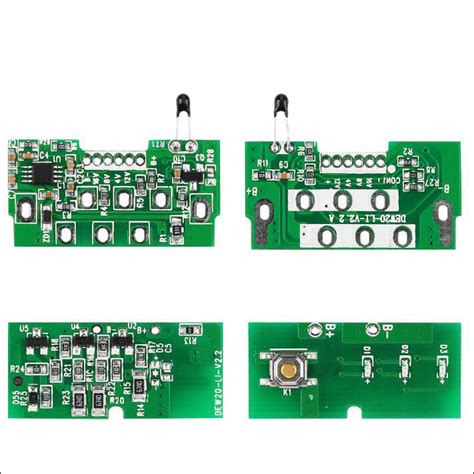 Read more: Comprehensive Guide to Lithium Battery PCB for Electric Cars
Introduction to Lithium Battery PCBs in Electric Vehicles The rise of electric vehicles (EVs) has revolutionized the automotive industry, and at the heart of this revolution lies the lithium battery. Lithium batteries have become the preferred choice for EVs due to their high energy density, long life span, and relatively […]