ALL ABOUT FLEX PCB
-
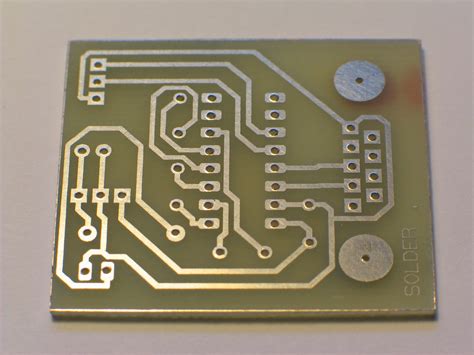
What is a PCB or Printed Circuit Board?
Posted by
–
Read more: What is a PCB or Printed Circuit Board?Table of Contents
-
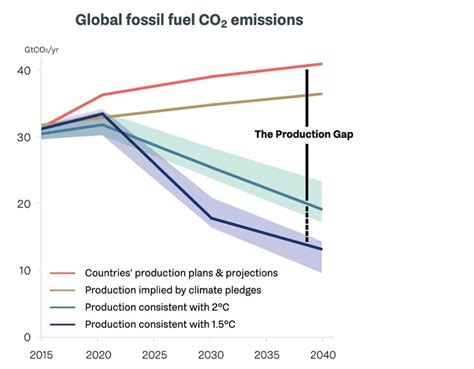 Read more: The difference between Production and Prototype quality and how to bridge the gap?
What is the Production-Prototype Gap? The production-prototype gap refers to the differences in quality, performance, and manufacturability between a prototype version of a product and the final production version intended for end users. Prototypes are early sample, model, or release of a product built to test a concept or process. […]
-
What is (material) Tg for PCB?
Posted by
–
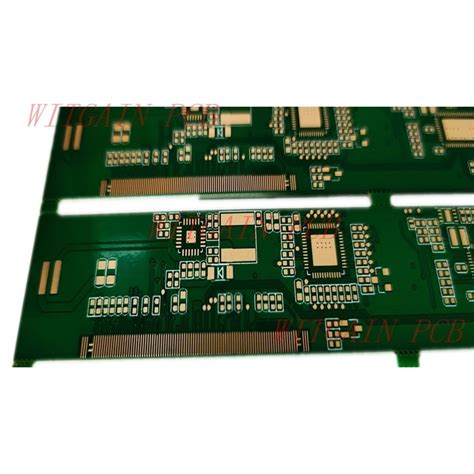 Read more: What is (material) Tg for PCB?
Introduction to PCB Tg In the world of printed circuit boards (PCBs), one critical parameter that designers and manufacturers must consider is the glass transition temperature, commonly known as Tg. PCB Tg refers to the temperature at which a PCB substrate material transitions from a rigid, glassy state to a […]
-
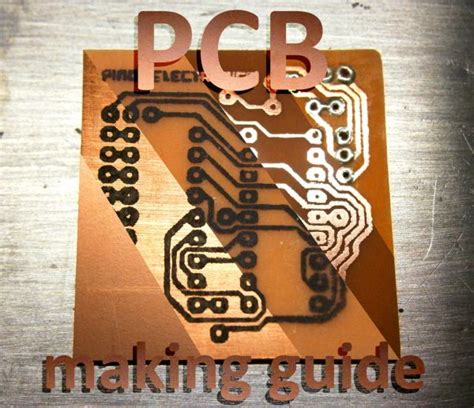 Read more: Acid Trap PCB Via-Ultimate Guide On All the Things You Need to Know
Introduction to PCB Vias Printed Circuit Boards (PCBs) are essential components in modern electronics. They provide a platform for mounting and interconnecting electronic components to create functional circuits. One crucial aspect of PCB design is the use of vias, which are small holes drilled through the board to establish electrical […]
-
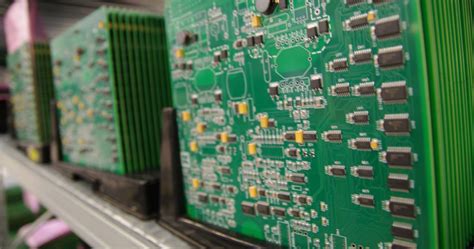 Read more: How to Choose a Reliable Automotive PCB Manufacturer
Introduction to Automotive PCBs Automotive Printed Circuit Boards (PCBs) are essential components in modern vehicles, enabling the functionality of various electronic systems such as engine control units, infotainment systems, and advanced driver assistance systems (ADAS). As the automotive industry continues to evolve and incorporate more advanced technologies, the demand for […]
-
What is Single Sided PCB?
Posted by
–
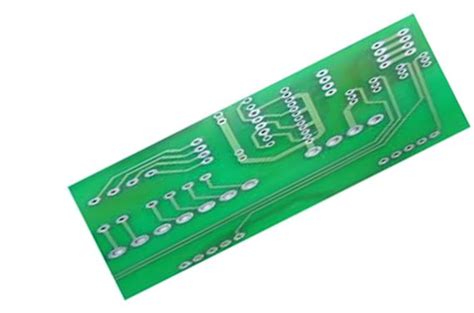 Read more: What is Single Sided PCB?
Introduction to Single-Sided PCB A Single-Sided PCB, also known as a Single Layer PCB, is a printed circuit board that has conductive copper traces on only one side of the board. These PCBs are the simplest and most cost-effective type of printed circuit board available in the market. Single-Sided PCBs […]
-
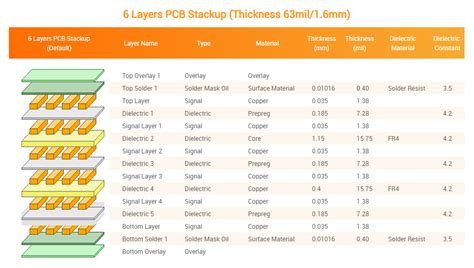 Read more: What is the Basic Stack up of 16 Layer PCB Board?
Introduction to PCB Stack-up A PCB stack-up refers to the arrangement of copper layers and insulating materials that make up a printed circuit board (PCB). The stack-up defines the number of layers, their order, and the thickness of each layer. In this article, we will focus on the basic stack-up […]
-
What is the New Product Introduction?
Posted by
–
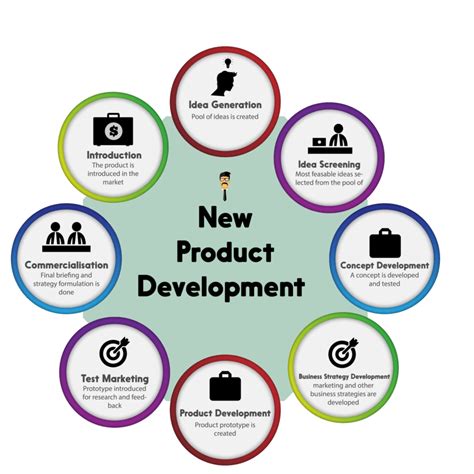 Read more: What is the New Product Introduction?
Introduction to New Product Introduction (NPI) New Product Introduction, commonly known as NPI, is a structured process that guides a product from its conception to its launch in the market. It is a crucial aspect of product development and management that ensures the successful introduction of new products or services […]
-
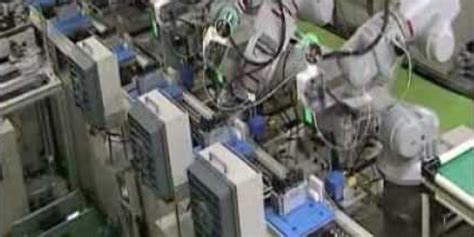 Read more: What Services Can You Expect from an Electronics Manufacturer?
Introduction to Electronics Manufacturing Services Electronics manufacturing services (EMS) are a crucial part of the modern electronics industry. EMS providers offer a wide range of services to help companies design, manufacture, and distribute electronic products. These services can include everything from printed circuit board (PCB) assembly to product testing and […]
-
In the north American PCB sales and orders
Posted by
–
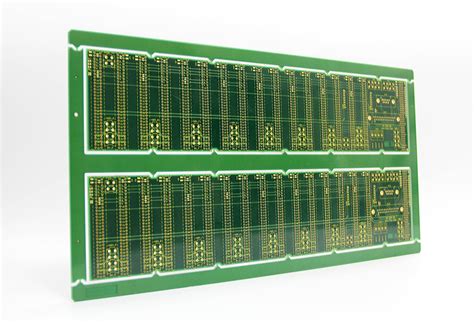 Read more: In the north American PCB sales and orders
Overview of the PCB Industry in North America The printed circuit board (PCB) industry in North America has been experiencing steady growth in recent years, driven by the increasing demand for electronic devices across various sectors, including consumer electronics, automotive, aerospace, and healthcare. PCB sales in the region have been […]