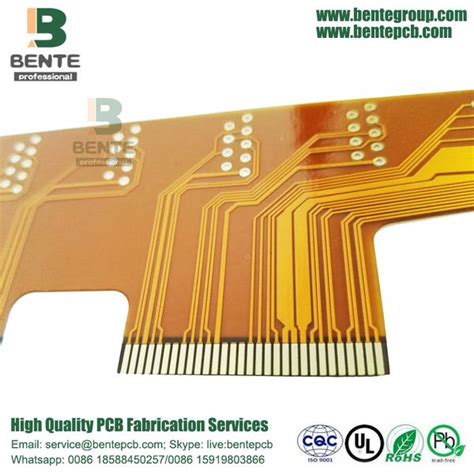
ALL ABOUT FLEX PCB
-
Read more: 5 Things You Need To Pay Attention To When Flex PCB Soldering SMD
1. Choose the Right Solder Paste Selecting the appropriate solder paste is essential for achieving a strong and reliable solder joint when working with flex PCBs and SMD components. The solder paste should have the following properties: 1.1 Viscosity The viscosity of the solder paste should be suitable for the application method and the size…
-
 Read more: 11 Easy Steps You Need To Know To Avoid Solder Balls In SMT Manufacturing
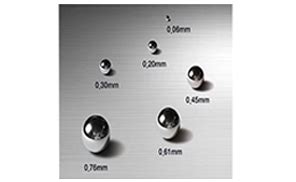
Step 1: Maintain Proper Solder Paste Printing One of the primary causes of solder balls is improper solder paste printing. Ensuring that the solder paste is applied evenly and accurately onto the PCB pads is essential to prevent solder ball formation. To achieve this, consider the following factors: Stencil Design Use a well-designed stencil with…
-
Board layout of QFN for more reliable soldering
Posted by
–
 Read more: Board layout of QFN for more reliable soldering
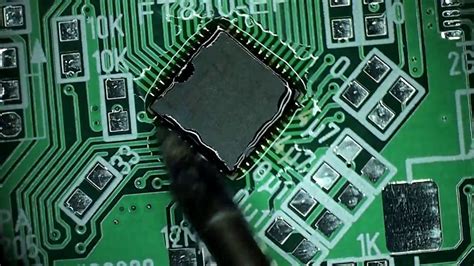
Introduction to QFN Soldering Quad Flat No-lead (QFN) packages have gained popularity in recent years due to their small size, excellent thermal and electrical performance, and cost-effectiveness. However, soldering QFN packages can be challenging due to their unique structure and the absence of leads. To achieve reliable soldering results, proper board layout is crucial. In…
-
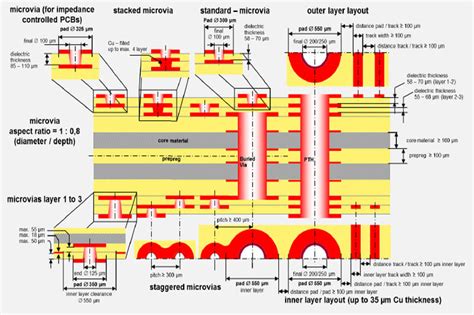 Read more: HDI PCB – Which Stackup Type is Right for YRAYPCB
What is an HDI PCB Stackup? An HDI PCB stackup refers to the arrangement of copper layers, dielectric materials, and vias within a printed circuit board. The stackup defines the electrical properties, signal integrity, and physical characteristics of the PCB. In HDI PCBs, the stackup typically involves more layers and smaller features compared to traditional…
-
Laser Cut Framed Stencils
Posted by
–
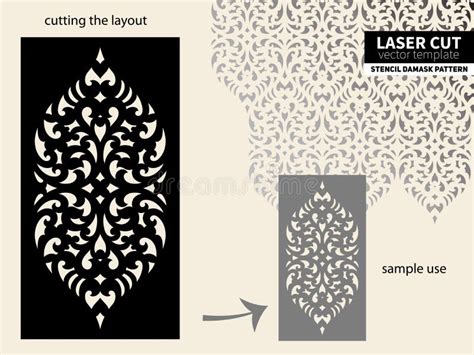 Read more: Laser Cut Framed Stencils
Introduction to Laser-Cut Stencils Laser-cut stencils have revolutionized the world of art and crafts, providing artists, designers, and hobbyists with a precise and efficient way to create stunning designs on various surfaces. These stencils are made using a laser cutting machine, which burns away unwanted material from a sheet of plastic, metal, or wood, leaving…
-
RAYPCB Plugin for KiCad Available Now
Posted by
–
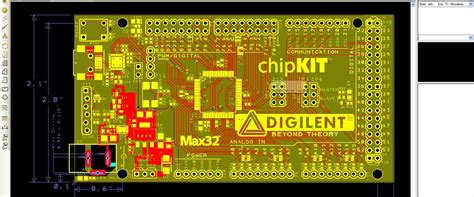 Read more: RAYPCB Plugin for KiCad Available Now
Streamline Your PCB Design Process with the RAYPCB Plugin for KiCad KiCad, the popular open-source PCB design software, just got even better with the release of the RAYPCB plugin. This powerful new tool seamlessly integrates RAYPCB’s PCB manufacturing capabilities directly into your KiCad workflow, making it easier than ever to go from design to production.…
-
Making Solder Paste Stencils
Posted by
–
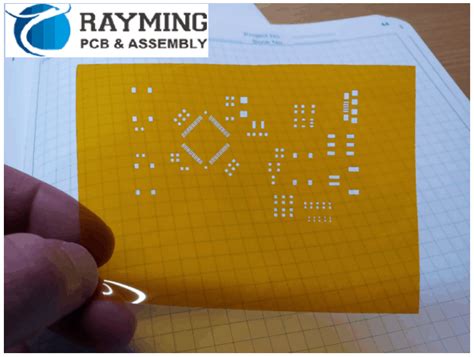 Read more: Making Solder Paste Stencils
What are Solder Stencils? Solder stencils, also known as solder paste stencils, are thin metal sheets with cutouts that match the pads on a printed circuit board (PCB). They are used to apply solder paste onto the PCB pads in a precise and controlled manner before components are placed and the board is sent through…
-
Benefits of SMT Stencil
Posted by
–
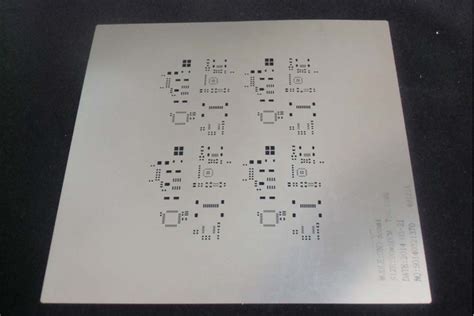 Read more: Benefits of SMT Stencil
Introduction to SMT Stencil Surface Mount Technology (SMT) has revolutionized the electronics manufacturing industry by enabling the production of smaller, faster, and more reliable electronic devices. One of the critical components in the SMT assembly process is the stencil, which is used to apply solder paste onto the printed circuit board (PCB) before placing the…
-
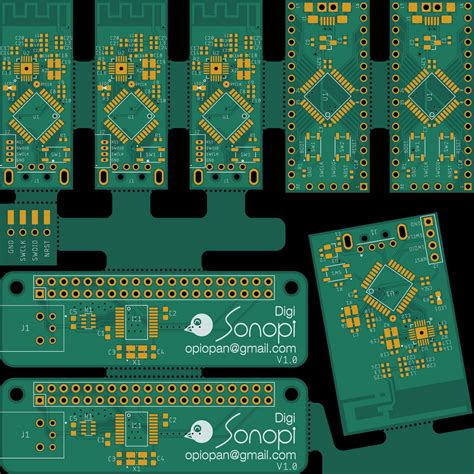 Read more: 11 Things We Need to Know about PCB Programming and Testing Tools
Introduction to PCB Tools PCB (printed circuit board) tools are essential for designing, programming, and testing electronic circuits. With the rapid advancements in technology, PCB tools have evolved to become more sophisticated, efficient, and user-friendly. In this article, we will explore 11 crucial aspects of PCB programming and testing tools that every electronics engineer and…
-
What s New in Eagle V6 PCB Design Software
Posted by
–
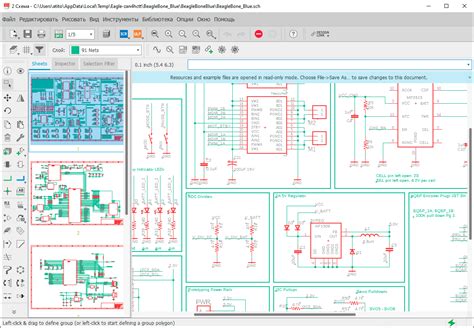 Read more: What s New in Eagle V6 PCB Design Software
Enhanced User Interface and Productivity Improvements One of the first things you’ll notice in Eagle V6 is the refreshed user interface. The UI has been modernized with a cleaner look and feel while maintaining the core layout and workflow that Eagle users are accustomed to. Updated Schematic and Board Editors Both the schematic and board…