ALL ABOUT FLEX PCB
-
DFM – From Gerber files to PCB production data
Posted by
–
Read more: DFM – From Gerber files to PCB production dataUnderstanding the Importance of PCB-DFM in Electronics Manufacturing In the world of electronics manufacturing, the process of designing and fabricating printed circuit boards (PCBs) is a critical step. PCBs are the backbone of almost all electronic devices, connecting and supporting various components to ensure proper functionality. To guarantee the successful production of PCBs, it is…
-
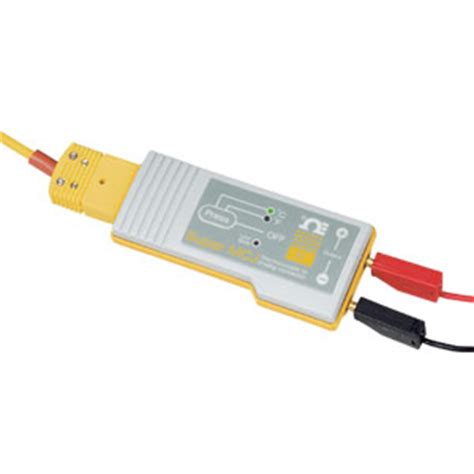 Read more: MAX31856: Explaining the Thermocouple Digital Converter
Introduction to the MAX31856 Thermocouple Converter The MAX31856 is a highly integrated thermocouple converter that provides a complete thermocouple digitization solution. It includes precision reference junction compensation, thermocouple linearization, and digital output in a small package. Key features of the MAX31856 thermocouple converter include: Supports 8 common thermocouple types (K, J, N, R, S, T,…
-
Car Circuits: Closed Vehicle Electrical Circuits
Posted by
–
 Read more: Car Circuits: Closed Vehicle Electrical Circuits
Introduction to Car Circuits The electrical system in a modern vehicle is a complex network of circuits that power various components, from the headlights and radio to the engine management system and safety features. Understanding the basics of these car circuits is essential for diagnosing and resolving electrical issues, as well as for making modifications…
-
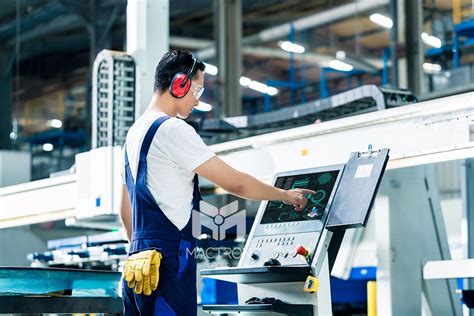 Read more: Computer-Aided Manufacturing: Automated High-Speed Machining
Introduction to Computer-Aided Manufacturing (CAM) Computer-Aided Manufacturing (CAM) is a modern manufacturing process that utilizes computer software and hardware to automate and optimize the production of various products. CAM systems are designed to increase efficiency, reduce costs, and improve the quality of manufactured goods by integrating computer technology with traditional manufacturing processes. This technology has…
-
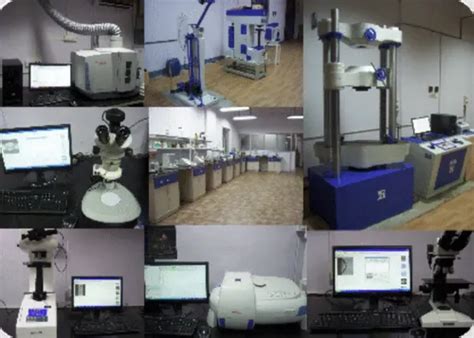 Read more: Electronics Environmental Testing: Definition, Category and Different Types of Tests
What is Electronics Environmental Testing? Electronics Environmental Testing, also known as environmental stress screening or ESS, refers to the process of subjecting electronic devices, components, and systems to controlled environmental conditions to assess their performance, reliability, and durability. The primary objective of environmental testing is to identify potential failures or weaknesses in the design, manufacturing,…
-
PCB Design Needs Of Our 5 Mistakes To Be Avoided
Posted by
–
 Read more: PCB Design Needs Of Our 5 Mistakes To Be Avoided
Introduction Printed Circuit Board (PCB) design is a critical aspect of electronics manufacturing. It involves the layout and routing of electronic components on a board to create a functional circuit. However, designing a PCB is not an easy task, and even experienced designers can make mistakes that can lead to costly delays and redesigns. In…
-
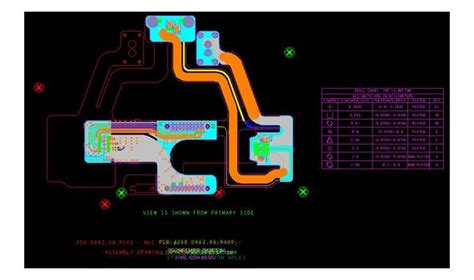 Read more: Flexible Circuits-9 Factors you need to Consider When Designing
Flex Circuit Design Flexible circuits, also known as flex circuits or flexible printed circuit boards (PCBs), have gained popularity in recent years due to their versatility and ability to fit into tight spaces. When designing a flex circuit, there are several critical factors to consider to ensure optimal performance, reliability, and cost-effectiveness. In this article,…
-
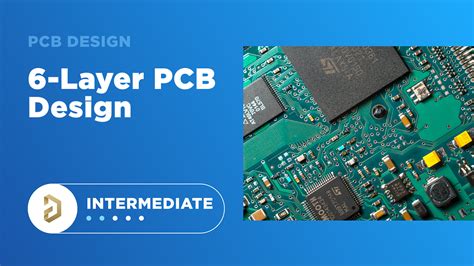 Read more: Some PCB Design Guidelines You Need to Know An Advise From a PCB Engineer
Understanding the Basics of PCB Design Before diving into specific guidelines, it’s important to understand the basics of PCB design. A printed circuit board is a flat board made of insulating material with conductive tracks on one or both sides. Components are mounted on the board and connected by the tracks to form a complete…
-
Rayming Introduces – PCB Prototype 3+3 Service
Posted by
–
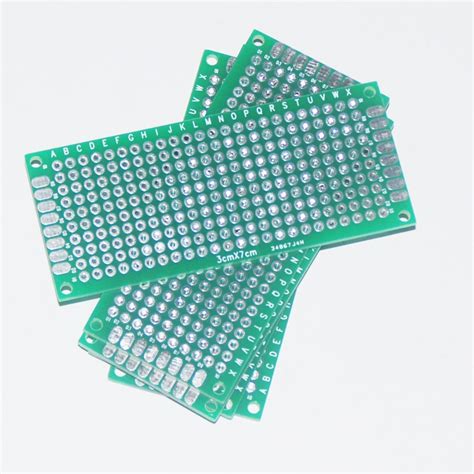 Read more: Rayming Introduces – PCB Prototype 3+3 Service
What is a PCB Prototype? A PCB prototype, short for printed circuit board prototype, is a preliminary version of a PCB designed to test the functionality, performance, and reliability of the board before mass production. PCB Prototypes are essential in the electronics industry as they allow designers and engineers to validate their designs, identify potential…
-
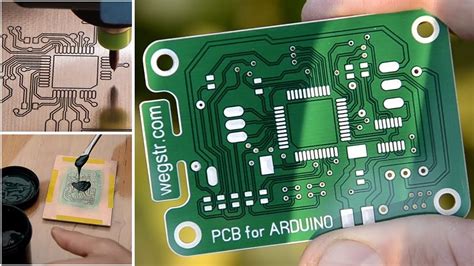 Read more: Small Batch PCB Assembly for Prototypes and Low Volume
Introduction to PCB Prototyping Printed Circuit Board (PCB) prototyping is an essential step in the electronic product development process. It allows engineers and designers to test and validate their designs before committing to large-scale production. Small batch PCB Assembly is ideal for creating prototypes and low-volume production runs, as it offers flexibility, cost-effectiveness, and quick…