
ALL ABOUT FLEX PCB
-
Elsyca Intellitool Matrix plating project
Posted by
–
Read more: Elsyca Intellitool Matrix plating projectIntroduction to the Intellitool Matrix The Elsyca Intellitool Matrix is an innovative plating technology that enables high-precision control over the electroplating process. Developed by Elsyca, a leading provider of electrochemical solutions, the Intellitool Matrix combines advanced hardware and software to deliver superior plating results across a wide range of applications. Key Features of the Intellitool…
-
Virtec – an eC-test-mate user reports
Posted by
–
 Read more: Virtec – an eC-test-mate user reports
Introduction to eC-test-mate eC-test-mate is a cutting-edge software solution designed to streamline and optimize the testing process for electronic components and systems. Developed by industry experts, eC-test-mate offers a comprehensive suite of tools and features that enable engineers and technicians to perform a wide range of tests efficiently and accurately. Key features of eC-test-mate Intuitive…
-
Surviving Components Shortages Together
Posted by
–
 Read more: Surviving Components Shortages Together
Understanding the Causes of Components Shortages Several factors have contributed to the current components shortages, including: Increased demand: The COVID-19 pandemic has accelerated the adoption of digital technologies, leading to a surge in demand for electronic devices and the components that power them. Supply chain disruptions: Lockdowns, travel restrictions, and other measures implemented to curb…
-
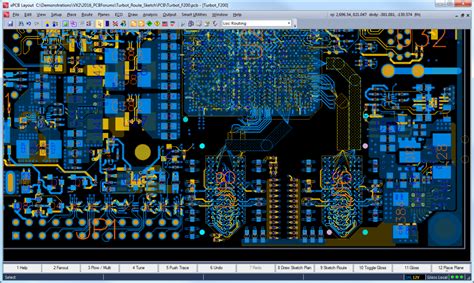 Read more: 12 Useful PCB Design Rules and Tips to Follow – Newest Guide
Introduction to PCB Design Printed Circuit Board (PCB) design is a crucial step in the development of electronic devices. A well-designed PCB ensures that the device functions as intended, is reliable, and can be manufactured efficiently. However, designing a PCB can be a complex process, requiring knowledge of electrical engineering, materials science, and manufacturing processes.…
-
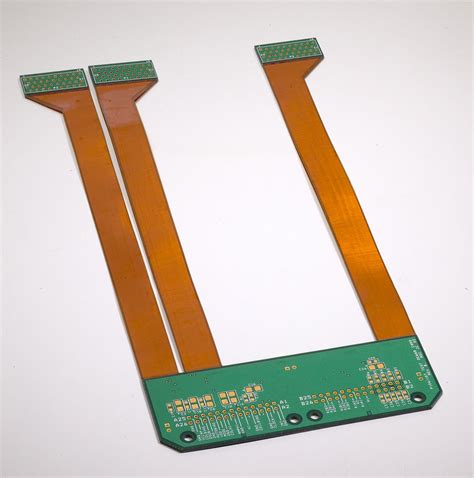 Read more: Rigid-Flex PCB Manufacturing Process and Applications
Introduction to Rigid-Flex PCBs Rigid-flex PCBs are a unique type of printed circuit board that combines the benefits of both rigid and Flexible PCBs. These boards consist of rigid PCB sections connected by flexible PCB sections, allowing for improved reliability, space savings, and enhanced design flexibility compared to traditional rigid PCBs. Rigid-flex PCBs find applications…
-
 Read more: What is UL certification and How to mark it on the circuit board
What is UL Certification? UL (Underwriters Laboratories) certification is a safety certification that ensures a product meets specific safety standards and requirements. It is a widely recognized and respected certification in the United States and Canada, and it is often required for electrical and electronic products sold in these markets. UL certification involves rigorous testing…
-
What is via covering in PCB?
Posted by
–
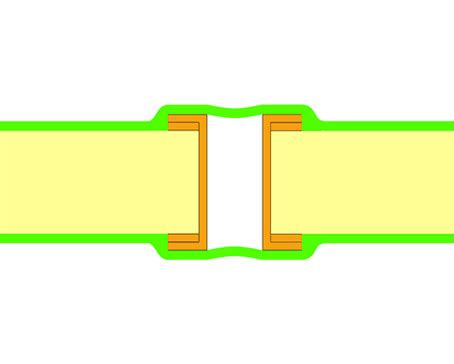 Read more: What is via covering in PCB?
Introduction to Via covering Via covering is a crucial process in the manufacturing of printed circuit boards (PCBs) that involves filling or plugging the vias with a non-conductive material. Vias are small holes drilled through the layers of a PCB to create electrical connections between different layers. While vias are essential for the functionality of…
-
Where to place the PCB in the oven?
Posted by
–
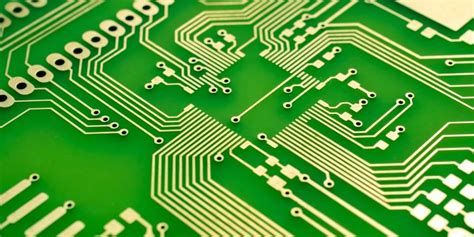 Read more: Where to place the PCB in the oven?
Introduction to PCB Placement in Reflow Ovens Printed Circuit Board (PCB) assembly is a crucial process in electronics manufacturing, and reflow soldering is a widely used technique for mounting surface mount components onto PCBs. Proper placement of the PCB in the reflow oven is essential for achieving optimal soldering results and ensuring the reliability of…
-
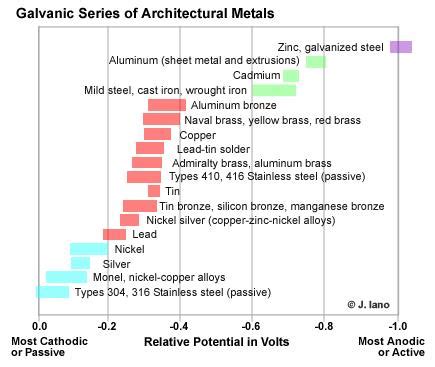 Read more: White paper – suitability of an enhanced low melting point alloy for a handheld device.
Introduction to Low Melting Point Alloys and Their Applications Low melting point alloys, also known as fusible alloys, are metal alloys that have a melting point below 450°F (232°C). These alloys are commonly used in various applications, such as soldering, casting, and creating custom-shaped components. The low melting temperature of these alloys allows for easy…
-
What is the Shipment Date?
Posted by
–
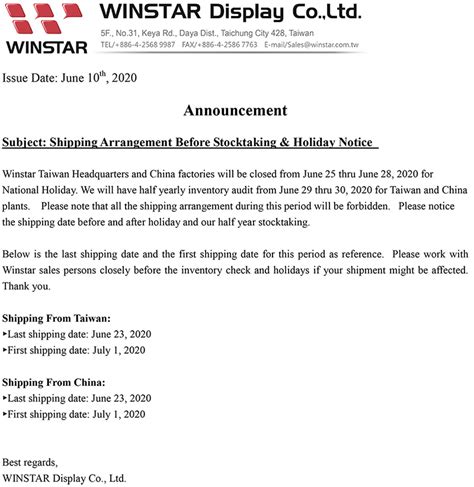 Read more: What is the Shipment Date?
Importance of the Shipment Date The shipment date is important for several reasons: Inventory Management: The shipment date helps businesses plan their inventory levels. By knowing when products will be shipped out, companies can ensure they have sufficient stock to fulfill orders without overstocking, which can tie up capital and increase storage costs. Production Planning:…