ALL ABOUT FLEX PCB
-
Flyback Converter: A Power Conversion Device
Posted by
–
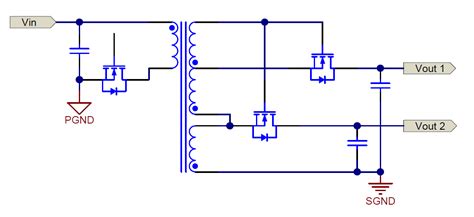
Read more: Flyback Converter: A Power Conversion DeviceWhat is a Flyback Converter? A flyback converter is a type of isolated switching power supply that utilizes a transformer to store energy and deliver it to the output load. It is widely used in low to medium power applications, such as battery chargers, LED drivers, and power adapters for electronic devices. The flyback converter…
-
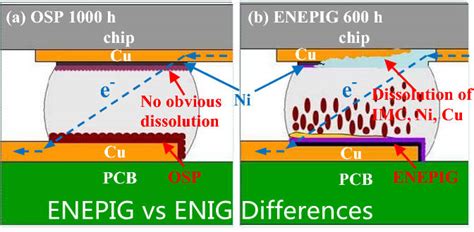 Read more: An Introduction to Electroless Nickel Immersion Gold ENIG by RAYPCB
What is ENIG? Electroless Nickel Immersion Gold (ENIG) is a surface finishing process used in the manufacture of printed circuit boards (PCBs). It involves the deposition of a thin layer of nickel followed by a thin layer of gold on the copper pads of the PCB. The nickel layer acts as a barrier to prevent…
-
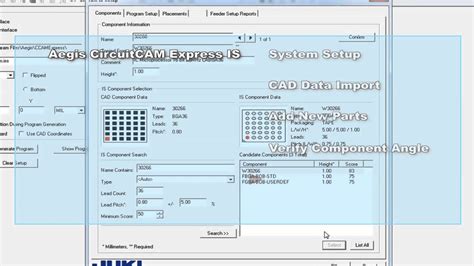 Read more: How to open Gerber files in AutoCAD with free open source tools
What are Gerber Files? Gerber files, also known as Gerber format or Gerber image format, are the industry standard for printed circuit board (PCB) designs. These files contain essential information for PCB Fabrication, including copper layers, Solder Mask, silk screen, and drill data. Gerber files are generated by PCB Design software and are used by…
-
PCB Trace to Plane Capacitance Formula
Posted by
–
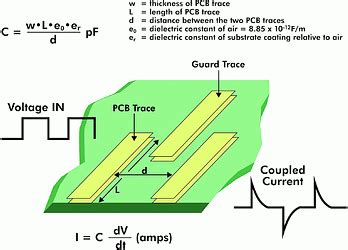 Read more: PCB Trace to Plane Capacitance Formula
Understanding PCB Capacitance Printed Circuit Board (PCB) design involves various aspects, one of which is managing the capacitance between traces and planes. PCB capacitance plays a crucial role in determining the performance, signal integrity, and electromagnetic compatibility of electronic circuits. In this article, we will delve into the concept of PCB trace to plane capacitance…
-
AOI in PCB and SMT Production Line
Posted by
–
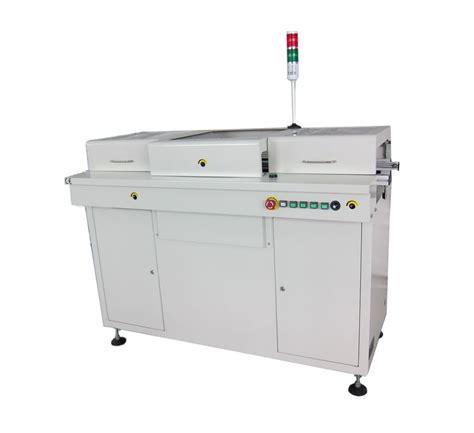 Read more: AOI in PCB and SMT Production Line
Introduction to AOI in PCB and SMT Manufacturing Automated Optical Inspection (AOI) plays a critical role in ensuring quality and reliability in Printed Circuit Board (PCB) and Surface Mount Technology (SMT) production lines. AOI systems use advanced imaging and computer vision algorithms to quickly and accurately detect defects, such as missing components, improper soldering, and…
-
What is PCB Edge Plating
Posted by
–
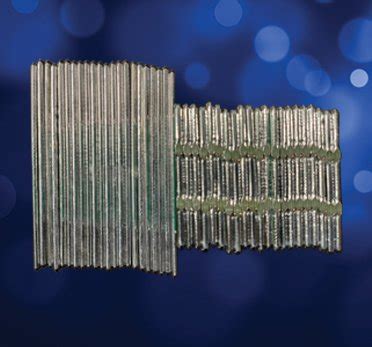 Read more: What is PCB Edge Plating
Why is PCB Edge Plating Important? PCB edge plating is crucial for several reasons: Durability: The exposed edges of a PCB are susceptible to damage from handling, vibration, and environmental factors such as moisture and contaminants. Edge plating creates a protective barrier that helps prevent chipping, cracking, and delamination of the board’s layers. Electrical Connectivity:…
-
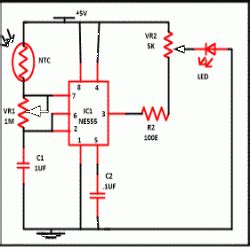 Read more: Heat Sensor Circuit: Operation and How to Build One
What is a Heat Sensor Circuit? A heat sensor circuit is an electronic device that consists of a temperature-sensitive component, such as a thermistor or a thermocouple, and additional circuitry to process the sensor’s output. The temperature-sensitive component changes its electrical properties in response to changes in temperature, allowing the circuit to detect and measure…
-
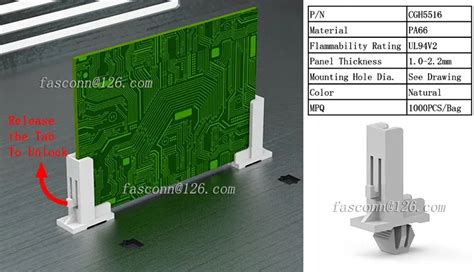 Read more: How to Make a Custom PCB: Everything You Need to Know Is Here
Introduction to PCB Design and Manufacturing Printed Circuit Boards (PCBs) are the backbone of modern electronics. They are used in almost every electronic device, from smartphones and laptops to industrial equipment and medical devices. PCBs provide a way to mechanically support and electrically connect electronic components using conductive pathways, tracks, or signal traces etched from…
-
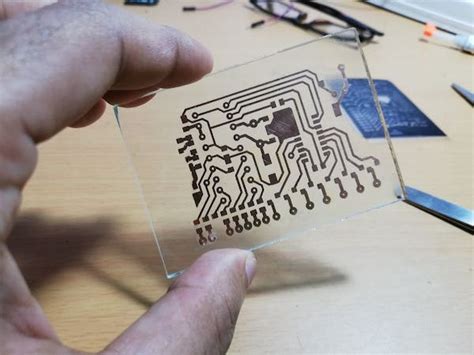 Read more: PCB Etching-How to Achieve The Perfect PCB Etching
Introduction to PCB Etching PCB etching is a crucial process in the fabrication of printed circuit boards (PCBs). It involves removing unwanted copper from the surface of a PCB substrate, leaving behind the desired conductive traces that form the electrical connections of the circuit. Achieving perfect PCB etching is essential for ensuring the reliability, functionality,…
-
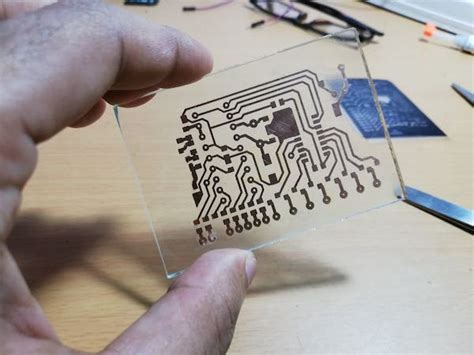 Read more: Etching Solution For PCB: Wet vs. Dry Etching for Circuit Board Traces
Introduction to PCB Etching Printed Circuit Board (PCB) etching is a crucial process in the manufacturing of electronic devices. It involves removing unwanted copper from the surface of the PCB to create the desired circuit pattern. The choice of etching method can significantly impact the quality, precision, and efficiency of the PCB fabrication process. In…